
What the “No Tax on Social Security” Promise Actually Means for You

Over 70 million Americans receive Social Security benefits — and every year at tax time, the same question comes up: Do I owe federal income tax on those benefits?

For a growing number of seniors, the answer in recent years has been yes. That’s because the income thresholds used to determine whether Social Security is taxable — governed by IRC §86 — haven’t been adjusted for inflation in more than four decades, meaning more and more retirees get pulled into taxable territory even without meaningful income growth.

Now, there’s a new development getting a lot of attention. As recipients prepare their 2025 tax returns, President Trump’s campaign promise of “no tax on Social Security” has taken legislative shape. But here’s the catch: it’s not quite what it sounds like.

What Actually Changed: The $6,000 Senior Deduction
Under the One Big Beautiful Bill Act (OBBBA), signed into law in July 2025, seniors age 65 and older as of the last day of the taxable year can claim a new temporary $6,000 deduction — available for tax years 2025 through 2028.
Here’s what you need to know:

✅ $6,000 per eligible individual (age 65+) — married couples filing jointly where both spouses are 65+ can claim $12,000
✅ Available to all qualifying seniors, whether you itemize or take the standard deduction (it’s a “below-the-line” deduction that reduces taxable income directly)
✅ You must include the Social Security Number of the qualifying individual(s) on the return to claim it; married filers must file jointly
⚠️ Temporary — applies only to tax years 2025–2028
⚠️ Subject to a phaseout — the deduction phases out at 6% of modified adjusted gross income (MAGI) above $75,000 for single filers and $150,000 for joint filers, and is fully phased out at $175,000 (single) / $250,000 (joint)
⚠️ Does NOT change IRC §86 — Social Security benefits are still calculated into taxable income the same way they always have been

Who Benefits Most?
Lower and moderate income seniors will see the greatest relief. When combined with the standard deduction and the existing additional standard deduction for age, the new $6,000 deduction may reduce taxable income enough that Social Security benefits are not taxed at all — or overall tax liability is eliminated entirely.

Higher-income seniors may still have taxable Social Security benefits and owe federal income tax, particularly as the new deduction phases out above the income thresholds above.

Seniors under 65 do not qualify for this deduction, regardless of whether they receive Social Security benefits.

It’s also worth noting: many lower-income seniors already paid little or no tax on Social Security benefits under existing law, so the practical impact of this deduction varies considerably by income level.

The Important Fine Print: IRC §86 Is Unchanged
This is the part that’s getting lost in the headlines. The OBBBA does not amend or repeal IRC §86, the tax code provision that governs how Social Security benefits are included in gross income. Up to 85% of Social Security benefits may still be included in taxable income for higher-income seniors based on their “combined income” — and that formula hasn’t changed at all.

The new deduction reduces taxable income after that calculation is made. It’s a meaningful offset, but it is not a structural change to how Social Security is taxed.

What This Means for Tax Season
If you’re 65 or older and receiving Social Security benefits, here’s your action checklist:

Don’t assume you’re fully exempt. IRC §86 still applies — Social Security is still factored into your taxable income.
Know the income thresholds. If your MAGI is above $75,000 (single) or $150,000 (joint), your deduction will be reduced.
Make sure you’re filing correctly. Married couples must file jointly to claim both spouses’ deductions, and SSNs must be included on the return.

Work with a qualified tax professional to accurately calculate your deduction and understand how it interacts with your overall income.

Plan ahead for 2029 and beyond. This deduction expires after 2028 — long-term planning now can help avoid a tax surprise down the road.

The Bottom Line
The OBBBA’s senior deduction is real, and for many lower- and moderate-income seniors, it will provide meaningful — even complete — relief from federal taxes on their Social Security benefits. But it is temporary, phased out at higher incomes, and does not change the underlying rules for Social Security taxation.

The “no tax on Social Security” promise is more accurately described as “reduced or eliminated tax on Social Security for some seniors, temporarily.”

As with all tax law changes, the details matter — and having a knowledgeable tax professional in your corner can make all the difference.

From Conversation to Legislation: How MSATP’s Legislative Breakfast Sparked Action in Annapolis

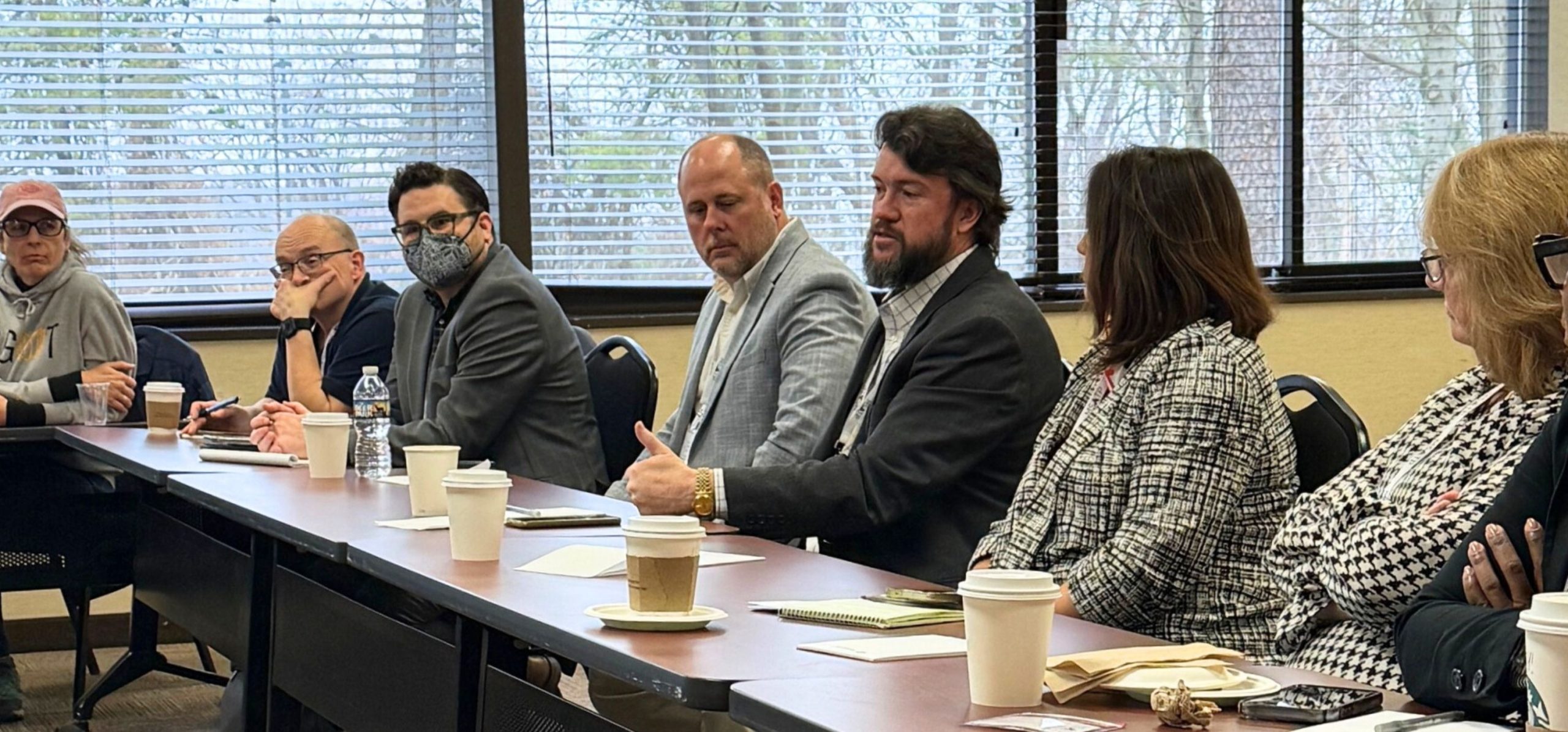
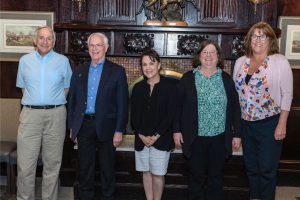
On Tuesday, January 6, 2026, MSATP hosted its annual Legislative Breakfast Roundtable, bringing together members of the Maryland General Assembly, leadership from the Comptroller’s Office, and tax professionals from across our state.

In attendance were Andrew Schaufele, Chief Deputy Comptroller for Revenue Operations and Accounting, and Matthew Dudzic, State Government Affairs Director from the Comptroller of Maryland’s Office. We were also honored to host Senator Benjamin Brooks, a fellow tax practitioner, along with Delegate Caylin Young and Delegate Kevin Hornberger.

What made this breakfast particularly meaningful was not just the conversation, but what followed.

A Law from the 1800s Meets Modern Day Reality

During the discussion, MSATP members raised concerns about a uniquely Maryland issue: a statutory provision dating back to the late 1800s that requires a two year waiting period before a taxpayer can submit an Offer in Compromise for prior State tax debts.

Practitioners shared real world examples of how this waiting period creates unnecessary hardship. In many cases, Marylanders who have fallen behind are ready and willing to resolve their tax liabilities in good faith. However, the rigid statutory timeline prevents the Comptroller from negotiating settlements earlier, even when resolution would benefit both the taxpayer and the State.

Jonathan Rivlin, former MSATP Board member and current MSATP PAC Treasurer, spoke directly to the issue during the breakfast, explaining how the outdated provision had become an obstacle to practical and common sense tax administration.

Delegate Young immediately engaged. He provided historical context for the law and acknowledged that while it may have served a purpose decades ago, it no longer reflects modern tax administration realities. More importantly, he offered to work on a legislative solution.

From Roundtable to Bill Draft

True to his word, Delegate Young began drafting legislation to eliminate the two year waiting period. Working together with Delegate Hornberger, the bill was introduced to authorize the Comptroller to settle claims of the State that are in arrears regardless of how long the claim has been outstanding.

Importantly, the legislation preserves safeguards requiring thorough review and documentation before settlement, ensuring accountability while allowing flexibility.

This is not a weakening of oversight. It is a modernization of process.

Bipartisan Support in Action

On February 26, 2026, Jonathan Rivlin testified in person before the House Ways and Means Committee in support of the bill. His testimony emphasized that the proposal

•Promotes efficient resolution of aged State claims
•Encourages voluntary compliance
•Reduces prolonged collection efforts that may yield minimal recovery
•Provides fairness and finality for taxpayers
•Strengthens responsible fiscal management

The bill has drawn bipartisan sponsorship and reflects what happens when policy conversations include practitioners who understand both compliance realities and fiscal responsibility.

Why This Matters

This legislation is a direct result of MSATP’s Legislative Breakfast.

It demonstrates that when our members speak up, armed with real examples, practical insight, and a commitment to good governance, lawmakers listen.

This is advocacy at its best

Practitioners identifying real administrative barriers
Legislators engaging thoughtfully
Bipartisan collaboration
Policy shaped by practical expertise Continue reading “From Conversation to Legislation: How MSATP’s Legislative Breakfast Sparked Action in Annapolis”

A New Path Forward: How Senate Bill 34 Could Expand CPA Licensure in Maryland

The Maryland Society of Accounting and Tax Professionals (MSATP) is proud to support Senate Bill 34, proposed legislation that would modernize CPA licensure in Maryland by creating an additional pathway to earning the CPA credential. We are pleased to partner with the Maryland Association of CPAs (MACPA) in advocating for this important step forward for the profession.

As the accounting and tax landscape continues to evolve, Maryland—like many states across the country—is facing a shrinking CPA pipeline alongside increasing demand for qualified professionals. Senate Bill 34 reflects a thoughtful, balanced response to this challenge: one that expands access without compromising professional standards or public trust.

Preserving Standards While Expanding Opportunity

Importantly, Senate Bill 34 does not eliminate or weaken Maryland’s existing CPA licensure requirements. The current pathways remain fully intact, including:

  • A master’s degree in accounting, or
  • A bachelor’s degree with an accounting concentration plus 30 additional college-level credit hours

Both of these existing options continue to require successful completion of the CPA exam and at least one year of relevant professional experience.

What SB 34 does is add a third, experience-based pathway. Under this option, candidates could qualify for CPA licensure by:

  • Completing a bachelor’s degree with an accounting or business concentration
  • Passing the CPA exam
  • Completing two years of qualifying, supervised professional experience

This pathway recognizes the value of real-world experience and provides an alternative for capable professionals who may be deterred by the cost or time associated with earning additional academic credits beyond a bachelor’s degree.

Advancing DEI Through Fairer Access to the Profession

The traditional 150-hour requirement can create financial and logistical hurdles for many aspiring CPAs. Emerging research suggests that extended educational demands have inadvertently made licensure less accessible to professionals from underrepresented groups, who may already face systemic barriers in education and career progression.

By offering a third pathway centered on professional experience, the bill helps remove one of the structural obstacles that have historically limited entry into the profession. This matters because a more diverse accounting community benefits clients, firms, and the broader business environment — diversity improves problem-solving, strengthens trust, and makes the profession more reflective of the communities we serve.

Why MSATP Supports This Bill

From MSATP’s perspective, Senate Bill 34 addresses several critical needs facing Maryland’s accounting community:

  • Expanding the talent pipeline by welcoming diverse educational and career backgrounds
  • Reducing financial and structural barriers for students and career changers
  • Supporting employers, especially small and mid-sized firms, who are struggling to recruit and retain qualified professionals
  • Keeping Maryland competitive as other states adopt similar licensure reforms

By broadening access while maintaining rigorous experience and examination requirements, SB 34 strikes a responsible balance between flexibility and integrity.

A Collaborative Effort for the Profession

MSATP believes strongly that the future of the profession is best shaped through collaboration. Our partnership with MACPA on this legislation reflects a shared commitment to strengthening the CPA pipeline, protecting the public, and ensuring that Maryland remains a welcoming and forward-thinking place to build a career in accounting.

As the 2026 legislative session begins, MSATP will remain actively engaged in advocacy efforts on Senate Bill 34 and other policies affecting tax and accounting professionals across the state.

To follow legislation we’re monitoring, learn where MSATP stands on key issues, and see how you can get involved, visit our advocacy hub.


Track our 2026 Advocacy efforts here:
👉 https://msatp.org/advocating-for-you/

Legislative Breakfast: Bringing Practitioners and Policymakers to the Same Table

As Maryland’s legislative session approaches, the Maryland Society of Accounting and Tax Professionals recently hosted its annual Legislative Breakfast, creating space for meaningful conversation between tax and accounting professionals and state policymakers.

The breakfast brought together practitioners from across the state alongside Maryland Delegates and Senators, as well as leadership from the Comptroller of Maryland. The gathering provided an opportunity for open dialogue on the real-world impact of tax policy, administrative challenges, and the importance of thoughtful, practical legislation.

More than just an event, the Legislative Breakfast serves as a reminder that effective policy is built through education, collaboration, and direct engagement with those who work with Maryland’s tax system every day.

Why the Legislative Breakfast Matters

Tax and accounting professionals are often the first to see how legislation and administrative decisions affect small businesses, families, and communities. The Legislative Breakfast creates a nonpartisan space where those frontline perspectives can be shared directly with lawmakers and agency leadership.

These conversations help:

  • Provide legislators and agency leaders with real-world insight into tax administration and compliance challenges

  • Elevate practitioner perspectives on how policy decisions affect taxpayers and small businesses

  • Build relationships that support ongoing dialogue throughout the legislative session

  • Reinforce the role of trusted professionals in protecting taxpayers and strengthening Maryland’s tax system

A Focus on Education and Collaboration

The tone of the morning was collaborative and solutions-focused. Discussions emphasized system improvements, clearer communication, and the importance of considering both administrative feasibility and taxpayer impact when shaping policy. By convening practitioners, legislators, and the Comptroller’s leadership in the same room, MSATP continues to serve as a bridge between the profession and those responsible for administering and overseeing Maryland’s tax laws.

Supporting the Work Ahead

Events like the Legislative Breakfast are just one part of how the profession stays engaged throughout the legislative session. Ongoing education, access, and relationship-building require sustained effort.

Members who wish to further support this work may consider contributing to the Maryland Society of Accounting and Tax Professionals’ Political Action Committee (MSATP PAC). The MSATP PAC supports nonpartisan engagement with policymakers and ensures that the voice of ethical, practicing professionals continues to be heard in Annapolis.

Participation in the MSATP PAC is entirely voluntary and separate from MSATP membership dues. Contributions are not tax-deductible and are used in accordance with Maryland campaign finance laws.

As the session gets underway, MSATP remains committed to staying engaged, informed, and present on behalf of the profession. Thank you to everyone who attended the Legislative Breakfast and contributed to a productive and meaningful conversation.

Together, we continue to strengthen our professional community and the systems that serve Maryland taxpayers.


MSA Scholarship Foundation Awards Fall Semester Scholarships

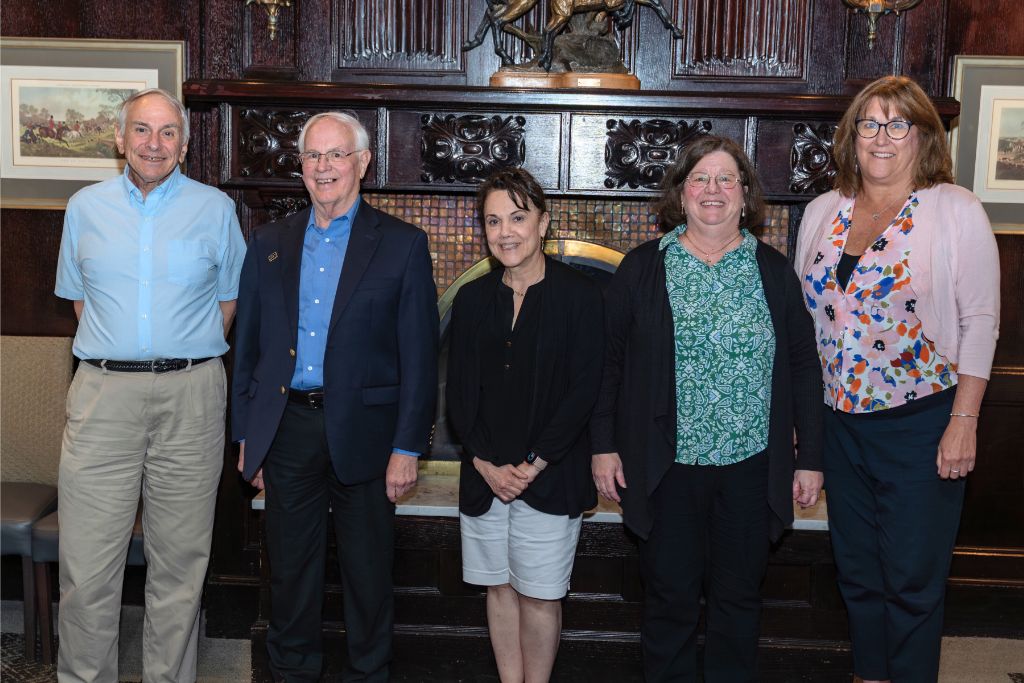
The MSA Scholarship Foundation is proud to announce that we have awarded 19 scholarships totaling $22,500 to outstanding students pursuing their education in accounting and related fields this fall semester.

Each scholarship, valued at either $1,250 or $625, was given to deserving students across institutions including Towson University, University of Maryland, Stevenson University, Howard University, and Mount St. Mary’s University. These students represent the future of the profession, and we are honored to support their journeys as they prepare to become the next generation of accountants, CPAs, and financial leaders.

2025–2026 Special Recognition Award Recipients

In addition to our traditional awards, the Foundation is pleased to recognize this year’s Special Recognition Award Recipients:

  • Jubelo OyeniranMelvin Menes Award

  • Emma ClaytonNorris “Dave” Crockett Award

  • Sayakoyoshie KogaSidney Weinberg Award

  • James MillerChristine Giovetti Award

  • Tafseer MalikDonald R. Hull Award

This year marks a meaningful addition to our program with the introduction of the Christine Giovetti Award, established in memory of Past President Christine Giovetti. This award honors students who demonstrate exceptional leadership, mentorship, and service to the accounting profession—qualities Christine embodied throughout her career and life of service.

Talking Taxes Together: Your Client Guide to OBBBA’s Permanent Lower Individual Rates

As your trusted partner, MSATP is here to help you guide your clients through the permanent extension of lower individual tax rates under the One Big Beautiful Bill Act (OBBBA). We’ve distilled the most important legal updates into client‑friendly language, provided proven messaging frameworks, and assembled practical, step‑by‑step tips you can use today—so you can confidently explain what’s changed, why it matters, and exactly how they can take advantage of the new rates. Download the Resource Here
1. Legal Explanation: Permanent Extension of Lower Individual Tax Rates
Background:
  • The Tax Cuts and Jobs Act (TCJA) of 2017 temporarily reduced individual income tax rates and expanded the tax brackets for most taxpayers, but these provisions were set to expire after 2025, reverting to higher pre-2018 rates.
  • The OBBBA (H.R. 1, 2025) makes these lower rates permanent for tax years after 2025 by amending IRC §1(j) to remove the expiration date and maintain the TCJA-era rate structure indefinitely.
How the Tax Brackets Work Post-2025:
  • The OBBBA preserves the seven-bracket structure and the lower marginal rates (10%, 12%, 22%, 24%, 32%, 35%, 37%) that were introduced by the TCJA.
  • The income thresholds for each bracket continue to be adjusted annually for inflation, as under prior law.
  • For example, for married filing jointly in 2025, the brackets are as follows (rounded for illustration; actual thresholds are inflation-adjusted annually):
    Taxable Income (Married Filing Jointly)
    Marginal Rate
    Up to ~$19,050
    10%
    $19,051 – $77,400
    12%
    $77,401 – $165,000
    22%
    $165,001 – $315,000
    24%
    $315,001 – $400,000
    32%
    $400,001 – $600,000
    35%
    Over $600,000
    37%
    (Thresholds for other filing statuses are similarly structured and adjusted for inflation).
  • The OBBBA also makes permanent the increased standard deduction and other related provisions, further reducing taxable income for many filers.
2. Guidance and Messaging Strategies for Client Communications
A. Emphasize Permanence and Certainty
  • Key Message: “The lower individual tax rates you’ve benefited from since 2018 are now permanent under the new law. This means you can plan with greater certainty, knowing that the lower rates and expanded brackets will not expire after 2025.”
  • Why It Matters: Clients may have heard that rates were set to increase after 2025. Reassure them that this risk has been eliminated.
B. Explain the Bracket Structure and Its Impact
  • Key Message: “The seven-bracket system and lower rates remain in place, so your tax liability will continue to be calculated using the same structure as in recent years. The income thresholds for each bracket will keep pace with inflation.”
  • Practical Tip: Use client-specific examples to show how their income fits into the brackets and what their marginal and effective tax rates are likely to be.
C. Highlight Related Permanent Provisions
  • Key Message: “In addition to lower rates, the higher standard deduction and other favorable provisions are now permanent, which can further reduce your taxable income and overall tax bill.”
  • Practical Tip: Review whether clients should continue to itemize or take the standard deduction, as the higher standard deduction may make itemizing less beneficial for many.
D. Address Planning Opportunities
  • Key Message: “With the certainty of lower rates, now is a good time to revisit your long-term tax planning strategies.”
  • Planning Tips:
    • Income Acceleration/Deferral: With rates stable, there is less urgency to accelerate income or defer deductions in anticipation of higher future rates.
    • Roth Conversions: Lower rates may make Roth IRA conversions more attractive, as the tax cost of conversion is lower.
    • Charitable Giving: The higher standard deduction means fewer people itemize, but above-the-line charitable deductions and new floors for itemized deductions may affect giving strategies.
    • Estate Planning: The permanently increased estate and gift tax exemption (now $15 million, indexed for inflation) offers significant opportunities for wealth transfer planning.
    • Business Owners: The Section 199A qualified business income deduction is also made permanent and enhanced, which is important for pass-through business owners.
E. Prepare for Future Adjustments
  • Key Message: “While these changes are permanent under current law, future Congresses can always make further changes. We will continue to monitor developments and advise you accordingly.”
  • Practical Tip: Encourage clients to schedule annual tax planning reviews to adapt to any future legislative changes.
3. Practical Tips for Tax Professionals
  • Use Visual Aids: Provide clients with updated tax rate tables and side-by-side comparisons of pre- and post-OBBBA brackets.
  • Personalize the Impact: Run projections using the client’s actual or estimated income to show the effect of the permanent rates on their tax liability.
  • Proactive Outreach: Send newsletters or host webinars summarizing the key changes and inviting clients to discuss their specific situations.
  • Address Common Questions:
    • “Will my taxes go up after 2025?” (Answer: Not due to rate increases; the lower rates are now permanent.)
    • “Should I change my withholding or estimated payments?” (Answer: Possibly, if your situation has changed, but not solely due to rate changes.)
    • “Does this affect my retirement or estate planning?” (Answer: Yes, the permanence of lower rates and higher exemptions may open new planning opportunities.)
4. Summary Table for Client Handouts (Optional for Internal Use)
Provision
Pre-2026 Law (TCJA)
OBBBA (Post-2025)
Individual Tax Rates
Lower rates, expire 2025
Lower rates, permanent
Standard Deduction
Higher, expires 2025
Higher, permanent
Estate/Gift Exemption
~$13M, expires 2025
$15M, permanent
QBI Deduction (199A)
Expires 2025
Permanent, enhanced
5. References for Further Reading
In summary:
Tax professionals should communicate that the OBBBA makes the lower individual tax rates and expanded brackets permanent, providing stability and planning certainty. Emphasize the continued benefits, explain the bracket structure, and highlight related planning opportunities.

Celebrating Leadership, Legacy, and Community at the 2025 MSATP Annual Banquet

On Friday evening, the Maryland Society of Accounting & Tax Professionals (MSATP) hosted its 2025 Annual Banquet at Ruth’s Chris Steakhouse in Pikesville, MD. The evening was filled with warmth, reflection, and a strong sense of community as members came together to celebrate another impactful year of leadership, service, and professional excellence.

Welcoming the 2025–2026 Board of Directors

The heart of the evening was the induction of MSATP’s 2025–2026 Board of Directors and Officers. With an inspiring commitment to service and advocacy, these individuals will guide our Society into the future with purpose and integrity.

Officers:

  • President: Ann Elliott, EA

  • 1st Vice President: Hannah Coyle, EA

  • 2nd Vice President: Christopher Williams

  • Treasurer: Michael McIlhargey, CPA

  • Secretary: Matthew Eddleman, EA

Elected Delegates:

  • Andrea Foster, CPA

  • Keila Hill-Trawick, CPA, MBA

  • Nicole Moore, CPA

  • Anthony Pelura, EA

  • John Salan, CPA

Standing Board Members:

  • Immediate Past President: Donya Oneto, CPA

  • Board of Trustees Delegate: Bob Medbery, CPA

  • Executive Director: Giavante’ Hawkins

Together, this dynamic group represents a diverse cross-section of Maryland’s accounting and tax professionals and will continue to advance MSATP’s mission of advocacy, education, and community.

Honoring Excellence with Special Awards

The banquet also served as an opportunity to recognize outstanding contributions to the Society and the profession. These awards reflect the values that define MSATP: integrity, leadership, mentorship, and community support.

Leadership Institute Recognition:
Participants Kyarah Mair and Shakeara Lynch completed the inaugural MSATP Accounting Leadership Institute. Shakeara Lynch received the Capstone Award and a $300 scholarship in honor of MSATP Past President Phyllis Burlage.

President’s Award:
Presented posthumously to Christine Giovetti, a past president and beloved member whose legacy of service and advocacy continues to inspire.

Sidney Weinberg Award:
Awarded to Hannah Coyle, EA for her emerging leadership and impact on the Society.

Life Membership Award:
Presented to Barbara Smith, CPA for her long-standing service and mentorship.

Board of Directors Service Awards:

  • Barbara Smith, CPA

  • Ellen Silverstein, CPA

  • Sean Coggins, CPA

Golden Quill Award:
Awarded to Jonathan Rivlin for his exceptional written contributions to the profession.

Outstanding Young Professional Award:
Presented to Keila Hill-Trawick for her thought leadership, advocacy for small firm owners, and national recognition as one of the top voices in the profession.

Ted Schultz Award for Volunteerism:
Awarded to Andrea Foster for her active service and leadership in the Society’s upcoming strategic planning efforts.

Special Recognition Award:
Given to Bob Medbery, CPA for his compassionate support of the Giovetti family through the Assistance Committee.

Performance Awards:

  • Krista Sermon, Maryland Comptroller’s Office

  • Veronica Tubman, IRS (Retired)

Both honorees were recognized for their continued support and collaboration with MSATP and the accounting community.

Past President’s Award:
Presented to Donya Oneto, CPA, the longest-serving acting president in MSATP history, for her unwavering leadership during a challenging transitional period.

Board of Trustee Award:
MSATP’s highest honor was awarded to Bob Medbery, CPA for his exceptional leadership, integrity, and service to our members through the Assistance Committee.

A Night to Remember

The banquet concluded with a heartfelt acknowledgment of the Board of Trustees—all past presidents—who stood to welcome the newly inducted board members. As always, the event reminded us that MSATP is more than an association—it’s a thriving, inclusive community built on the values of service, collaboration, and growth.

To all our members, award recipients, and guests—thank you for making this evening one to remember. We look forward to continuing this journey with you in the year ahead.

Together, We Thrive.

MSATP Takes Stand Against Proposed Tax on Accounting Services

March 15, 2025

This week, MSATP Executive Director Giavante’ Hawkins testified before both the House Ways and Means Committee and the Senate Budget and Taxation Committee in opposition to House Bill 1554 and Senate Bill 1045, which would impose a new 2.5% sales tax on accounting and tax services provided to business entities.

Our Message to Legislators

In testimony before both committees, Hawkins emphasized the devastating impact this legislation would have on Maryland’s accounting professionals and the businesses they serve.

“This legislation would devastate small accounting practices throughout Maryland, most of which are small businesses themselves operating on thin margins,” Hawkins testified. “These firms would face an impossible choice: absorb the tax and further reduce already slim profit margins, or pass the tax to clients and risk losing them to larger firms or out-of-state providers.”

A key point in our testimony was the cross-border disadvantage this would create for Maryland accounting professionals. As Hawkins explained to the committees, “A business in Western Maryland could easily drive 20 minutes to Pennsylvania and establish a relationship with an accountant there, completely bypassing this tax. This places Maryland accounting professionals at a severe competitive disadvantage.”

Inequitable Treatment

Our testimony also highlighted the inexplicable disparity in how the bill treats different professional services.

“While accounting services under NAICS code 5412 are specifically targeted, legal services under NAICS code 5411 are conspicuously absent from the list of taxable services,” noted Hawkins. “This selective approach would apply the tax to approximately 188,917 accounting, tax preparation, and bookkeeping businesses while exempting approximately 359,026 legal service businesses.”

This inequitable treatment is particularly problematic since some legal service providers also offer tax services but would remain exempt under the proposed legislation.

Taxing Mandatory Compliance

Perhaps most concerning is that this bill would create a “tax on a tax” by increasing costs for services that are essential for compliance with mandatory tax filing requirements.

“Filing tax returns is not optional – it is required by law,” Hawkins emphasized. “We should not be increasing fees for those who choose to hire a tax preparer to ensure they are in compliance with tax laws.”

The Fight Continues

While we appreciate the opportunity to testify, the fight is far from over. MSATP is continuing our advocacy efforts by reaching out to individual legislators and committee members.

“We are asking that if this bill moves forward, tax and accounting services be removed from the list of taxable services,” says Hawkins. “None of our neighboring states – Pennsylvania, Delaware, West Virginia, or Virginia – impose sales tax on accounting and tax preparation services. This would place Maryland tax professionals at a severe competitive disadvantage.”

How Members Can Help

MSATP members can support our efforts by:

  1. Contacting your local representatives to express your concerns
  2. Sharing the potential impact on your practice and clients
  3. Emphasizing that this tax would harm compliance efforts and potentially reduce state revenue

We have prepared template letters that members can use when contacting legislators. These are available in the members-only section of our website.

We will continue to keep members updated as these bills progress through the legislative process. Your voice matters in this important fight for our profession and the businesses we serve throughout Maryland.


The Maryland Society of Accounting and Tax Professionals represents over 2,000 tax and accounting professional members who serve more than 700,000 Maryland residents.

Maryland Society of Accounting and Tax Professionals Champions CPA Mobility Through Senate Bill 51

The Maryland Society of Accounting and Tax Professionals (MSATP) took a strong stance on advancing the accounting profession as representatives testified before the Senate Education, Energy, and the Environment Committee on January 30, 2025, advocating for Senate Bill 51. This important legislation aims to streamline CPA mobility requirements, making it easier for qualified CPAs from other states to practice in Maryland.

MSATP Executive Director Giavante’ Hawkins testified alongside MACPA leadership and bill sponsor Senator Ellis, reinforcing the organization’s strong commitment to modernizing Maryland’s CPA practice privileges. Senate Bill 51 seeks to streamline reciprocal licensing requirements, aligning them with the universal standard of passing the Uniform CPA Examination, rather than imposing additional state-specific verifications. This change aims to enhance CPA mobility, reduce unnecessary barriers, and ensure consistency in professional licensing.

Why This Matters Now More Than Ever

The accounting profession is at a critical juncture. As states begin to reevaluate the traditional 150-hour education requirement for CPA licensure, mobility reform becomes increasingly important. These changes reflect growing recognition that rigid educational requirements may create unnecessary barriers to entry while not necessarily enhancing professional competency.

Maryland’s SB51 aligns with this national momentum toward modernizing CPA requirements. By focusing on the Uniform CPA Exam as the key qualification metric, rather than varying state-specific requirements, the bill acknowledges that professional competency can be demonstrated through standardized testing and practical experience.

Key Changes Proposed by SB51

The legislation would modify current requirements by:

  • Recognizing CPAs licensed in other states who have passed the Uniform CPA Examination
  • Eliminating the need for NASBA verification of state requirements
  • Maintaining strong professional standards while reducing bureaucratic barriers

Impact on the Profession

This reform comes at a crucial time when the accounting industry faces:

  • A growing shortage of CPAs nationwide
  • Increasing demand for cross-state services in our digital economy
  • Evolution in educational approaches to professional qualification
  • Need for greater workforce mobility and flexibility

The bill preserves critical consumer protections by requiring out-of-state CPAs to:

  • Submit to Maryland Board jurisdiction
  • Comply with state regulations
  • Cease practice if their home state license becomes invalid

MSATP remains committed to supporting legislation that enhances professional mobility while protecting public interest. Senate Bill 51, scheduled to take effect October 1, 2025, represents a significant step toward modernizing CPA practice requirements while maintaining high professional standards.